Home
Contact
Search
Sign in
Welcome! Log into your account
your username
your password
Forgot your password? Get help
Password recovery
Recover your password
your email
A password will be e-mailed to you.
The Realtime Report
Home
Contact
Home
Tags
Content sharing
Tag: content sharing
Pinterest Is The Fastest-Growing Platform For Online Content Sharing
November 7, 2013
YouTube Links Stay “Alive” Twice As Long As Twitter, Facebook Links
September 9, 2011
23% of Social Media Messages Link to Content
May 18, 2011
Malaysians Are Friendliest, With An Avg. 233 Friends in Social Networks
November 2, 2010
Advertisements in Shared Content are 19% More Likely to Lead to...
October 8, 2010
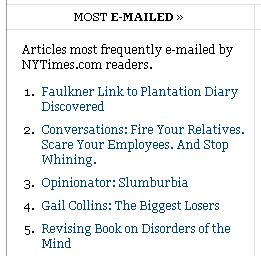
Awe is Most Likely to Inspire Sharing (Among NYTimes Reades)
February 11, 2010
iWidgets Raises $4.1 Million: Cool App; What's the Bus Model?
February 5, 2009
Send this to a friend
Your email
Recipient email
Send
Cancel